Whoa!
Okay, so check this out—DeFi isn’t just about yield anymore. The space has matured fast, and with that maturity came new predators: MEV bots, front‑runners, sandwich attacks, and the occasional broken smart contract that eats a wallet like a raccoon at a picnic. Initially I thought that good UX and seed phrase hygiene would solve most user problems, but then I watched a friend lose 5 ETH to a miner-extracted value strategy in a single afternoon.
My instinct said something felt off about the whole “one-wallet-fits-all” mentality. Hmm… the truth is more complicated.
Whoa!
DeFi protocols are diverse and messy. Some chains have cheap gas and weak MEV defences, while others are expensive but more predictable. On one hand you get access to niche yields; on the other hand you invite novel attack surfaces that only bots and seasoned attackers fully understand, though actually there are practical mitigations if you structure your transactions properly and use better tooling.
Here’s what bugs me about the average wallet experience: most wallets still treat transactions like blind orders sent to a noisy market, with no preview of what will actually happen on chain.
Whoa!
If you trade or farm across multiple chains, you need a wallet that thinks like a DeFi trader, not like a browser plugin that remembers your keys. You want transaction simulation, robust signer controls, nonce handling, and options to route through protectors that reduce MEV exposure. Seriously?
Yes — and that’s where transaction simulation and built-in MEV protection matter a lot, because they turn guesswork into actionable foresight and prevent very very costly mistakes.
Whoa!
Let me break down MEV in plain terms: miners and validators can reorder, include, or exclude transactions inside blocks, and those choices have monetary consequences. Sandwich attacks are the classical example where an attacker inserts two trades around your trade to siphon value, and flashbots or relays can be used defensively or offensively depending on who’s at the wheel. Initially I thought that private relays would be the silver bullet, but then I realized adoption and UX hurdles meant a lot of users still route through public mempools where bots lurk.
Whoa!
So what does a practical wallet do about this? It gives you simulation before send, so you see slippage, failed calls, and approval consequences before committing. It offers a path to private relays or auction-based submission when possible, and it surfaces gas strategies tuned to your objective (speed versus cost versus protection). More than that, a multi‑chain wallet keeps context intact when you hop from Ethereum mainnet to Optimism to BSC and back, which is a deceptively hard engineering problem.
Whoa!
I’ve used many wallets. Some are slick but dumb. Others are secure but painful to use. I’m biased, but the balance of features matters most for traders and power users who interact with complex contracts and cross‑chain bridges. (oh, and by the way…) a good wallet will also help you detect approval sprawl and give you one-click revoke flows, because permission creep is how many wallets get drained over time.
Whoa!
Transaction simulation saves you from stupid errors like approving the wrong token or executing a swap on the wrong chain. Simulation also surfaces whether a low gas price will cause your tx to languish and be front-run. On the face of it that sounds basic, but in practice most users still hit send and hope. That’s not confidence; it’s gambling.
Whoa!
Now, multi‑chain support isn’t just adding networks to a dropdown. It means unified state management, clear cross‑chain UX, and consistent security assumptions across L1s and L2s. On one hand you want the freedom to chase yield; on the other hand you want the wallet to prevent you from accidentally bridging tokens into a chain you never intended to use. There’s also the mess of nonce management and gas token differences, and if you bridge without checking simulation you can lose funds in ways that are maddeningly opaque.
Whoa!
Here’s a practical illustration: imagine you’re arbitraging a DEX price difference across Arbitrum and zkSync and you send two dependent transactions with mismatched gas or nonce handling. The first one confirms late. The second one fails or is front-run, and your entire strategy collapses. Ouch. With proper simulation and bundled or atomic submission support, that risk drops dramatically, though never to zero.
Whoa!
Okay, let’s be pragmatic. You want tools that: simulate, let you preview contract calls, offer MEV‑aware submission, and make revoking approvals painless. You also want multi‑account and hardware-wallet support, because signing should be both convenient and air‑gapped when necessary. I’ll be honest — these features used to be scattered across different apps, and stitching them together was annoying, sometimes very very annoying.
Whoa!
So what’s a realistic workflow for a DeFi power user? Step one: set up a multi‑account wallet with hardware key support for high‑value accounts and a hot account for small interactions. Step two: always simulate complex transactions, especially cross‑chain or multi‑leg swaps. Step three: consider sending high-value trades through private relays or MEV-aware pathways when available. Step four: periodically audit approvals and revoke what you don’t actively use, because approvals are permissions and permissions are attack surfaces.
Whoa!
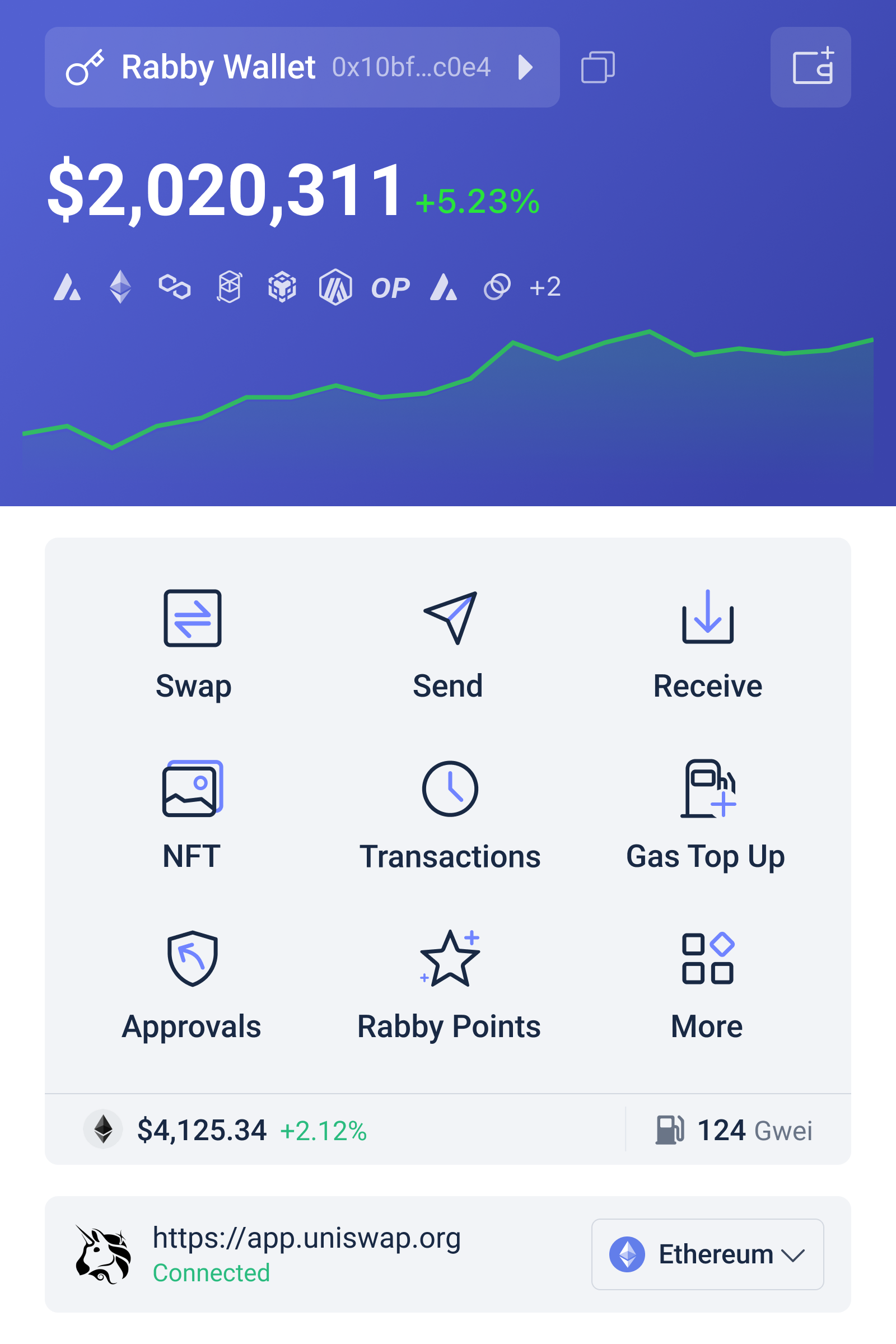
On the subject of tooling, I recommend a wallet that integrates these capabilities naturally into the UX. One wallet that nails this balance for me is rabby wallet, which adds transaction simulation and clearer approval controls without making the interface feel like a developer console. Seriously, it changed how I think about routine transactions and reduced the nail‑biting for trades that used to make me tense up.
Whoa!
But caveats are necessary. No wallet is a magic bullet. Private relay availability depends on relay adoption and on‑chain liquidity. Simulation can fail to capture certain front‑running dynamics in congested markets, and multi‑chain bridges always introduce trust assumptions that you must evaluate. Initially I thought toolsets would eliminate user error, but then I accepted the more humble truth: they reduce error, not human judgment.
Whoa!
Here’s an anecdote. A colleague tried to do a cross‑chain token migration and the wallet’s simulation flagged an approval that would have left tokens stuck on the wrong chain. He thanked me, then he thanked the wallet (and then he bought me coffee). Little stuff like that compounds into big savings over time. These are the micro‑moments where better tooling actually pays for itself.
Whoa!
Security tradeoffs matter too. Some wallets centralize certain convenience features (like relays) behind a backend. That improves UX but it also means you trust an extra party. Other wallets push everything client‑side, which is purer but often clunkier. On balance, I prefer wallets that are explicit about these tradeoffs and let me choose my risk posture per account or per transaction, even if that adds a tiny cognitive load.
Whoa!
There are also user education gaps. Many users don’t realize approvals are persistent or that nonce collisions can wreck a cross‑chain flow. Wallets that surface actionable education — not long articles, but short tooltips and the occasional “are you sure?” — cut losses. I’m not 100% sure about the perfect balance of education vs friction, but smart defaults plus optional advanced controls seem to work best for most people.
Whoa!
Alright—practical checklist before you hit send: simulate the tx, confirm minimum returns/slippage, check approvals, choose MEV‑aware submission if available, and if it’s a high‑value move consider using a hardware key. Repeat. Eventually these steps become habit, and your alone-in-the-wild anxiety goes down substantially.
Final thoughts and a nudge toward better habits
Whoa!
I’m excited about how wallets are evolving to match DeFi’s complexity, though I still see a long tail of UX problems to solve. On one hand, better simulation and MEV protections are proliferating; on the other hand, user education lags behind, and that gap is exploitable. Something tells me the next big leap will be wallets that combine smart simulation, painless multi‑chain flows, and opt‑in privacy rails with minimal UX friction.
My advice: value safety over novelty, and adopt a wallet that treats transactions as first‑class objects to be previewed, checked, and optionally shielded from MEV. You’ll make fewer mistakes, sleep better, and keep more of your gains.
FAQ
What exactly is MEV and why should I care?
MEV stands for miner/maximum extracted value where block producers can reorder or censor transactions to extract profit; it harms regular users through higher slippage, failed transactions, and losses from sandwiching. Use simulation, private submission options, and MEV‑aware wallets to mitigate exposure.
Can a wallet completely prevent MEV?
No. Wallets can significantly reduce surface area and lower the odds of common MEV vectors, but they can’t eliminate network-level vulnerabilities or guarantee atomicity across chains. Treat wallets as powerful mitigators, not miracles.
How do I pick the right multi‑chain wallet?
Look for transaction simulation, clear approval management, hardware key support, and explicit MEV or private relay options. Try the UX with small transactions first, and keep a separate hardware-backed account for larger holdings.
Leave a Reply