Whoa! This is one of those mornings where my inbox is packed with oddly specific rug-pull alerts and a dozen protocol updates. Okay, so check this out—I’ve been testing multi-chain wallets for years and most of them feel rushed, like somethin’ was left on the cutting room floor. But then I started using a wallet that simulated transactions before I hit confirm, and that changed everything for me.
At first glance a simulation feature seems obvious. Really? But it’s not common. Initially I thought a confirm-screen was enough, though actually that didn’t account for the complex state changes happening across bridges and DeFi contracts. My instinct said: don’t trust displays that only show a nonce and a gas estimate. Something felt off about relying on that alone—especially when you’re moving assets across chains or batching transactions.
Here’s the thing. When I started using this higher-fidelity approach, I stopped seeing transactions that failed for silly reasons—out-of-gas, slippage miscalculations, or token approval races. The wallet runs a dry-run of your action against an on-chain state simulator, so you get a preview of what would happen. Long story short: fewer surprises, fewer refunds, less headache when markets move fast and chains lag.
What a multi-chain wallet actually needs
Short answer: context. Longer answer: context plus safe defaults and visible trade-offs. You want a wallet that knows each chain’s quirks—yes, even the weird ones like mempool backlogs on some EVM sidechains that spike gas unpredictably. My checklist for a serious DeFi wallet includes transaction simulation, granular gas controls, multi-account management, and per-dApp permissions.
Permit me to unpack that. Transaction simulation. Medium-level complexity but massive practical payoff. It catches reverts caused by insufficient approvals, estimates effective gas across networks, and flags expensive steps before you sign. On the other hand, simulation isn’t perfect—some stateful behaviors depend on other pending transactions or off-chain oracles—but it shrinks the unknowns a lot.
Next: permission management. I’m biased, but permission hygiene matters more than flashy UX. A good wallet lets you review, batch, or revoke approvals without having to hunt down approvals on each chain manually. That saves time and reduces long-term exposure to careless contracts, which is a problem that bugs me. Oh, and by the way, a balance dashboard that hides tokens isn’t a security feature—it’s theater.
DeFi integrations that feel like teamwork
When a wallet plays nicely with protocols, your workflow is faster and your mental load is lower. For example, swapping through an aggregator without a pre-flight check used to give me a pit in my stomach—slippage, sandwich possibilities, front-running. The simulation step shows the exact state transition and expected outputs, letting you tweak slippage or route choices before signing.
On one hand it’s comforting to see a clean UX that talks to many protocols; on the other hand, I want transparency about routing and fees. Those trade-offs matter. If you’re routing across multiple DEXes on multiple chains, look for a wallet that surfaces those micro-decisions so you can choose cost vs. speed vs. privacy.
Also, cross-chain flows are getting more common. Bridges are improving, but they still have edge cases—timeouts, relayer failures, oracles lagging behind. A wallet that simulates bridging steps and clearly shows the expected time-to-finality reduces stress when you’re moving large positions.
Security beyond seed phrases
I’m not going to pretend seed safety was ever optional. But security has matured beyond “write down your 24 words.” Think layered defenses: hardware-wallet support, transaction previews, permission granularity, and a security-first default UX that discourages risky interactions. Seriously? Yes—defaults matter.
For instance, one developer I know had a contract call accidentally approve an unlimited allowance due to a rushed UI. If their wallet had defaulted to limited allowances or at least highlighted the approval type during simulation, they’d have caught it. On the flip, too many warnings turn into background noise, so a wallet must prioritize threats intelligently.
Lastly there’s transparency around third-party services. If a wallet routes through relayers, or uses external nodes, tell the user. I’d rather know the trade-off than be surprised later when an outage affects my pending txs.
A practical walkthrough (real-ish story)
Okay—I’ll be honest: I once bridged a mid-size position at 2AM. Hmm… rookie move. I was sleepy and the bridge was congested. Normally I’d pray and hit confirm. Instead, the wallet’s simulator showed a potential rollback due to oracle lag and suggested an alternate relayer with slightly higher fees but much higher success probability. I picked the safer path and woke up with my funds intact.
That night taught me two things. First, simulate first; sign later. Second, it’s worth paying a touch more to avoid the stress of a stuck cross-chain transfer. I’m not 100% sure every simulation will be right, but in complex flows they tilt the odds in your favor. Somethin’ about that felt like finally having a co-pilot for your keys.
And yes—that’s the human part. On one hand I like saving gas. On the other hand I value finality more when big sums are involved. The wallet you use should let you make that call with clear info, not guesswork.
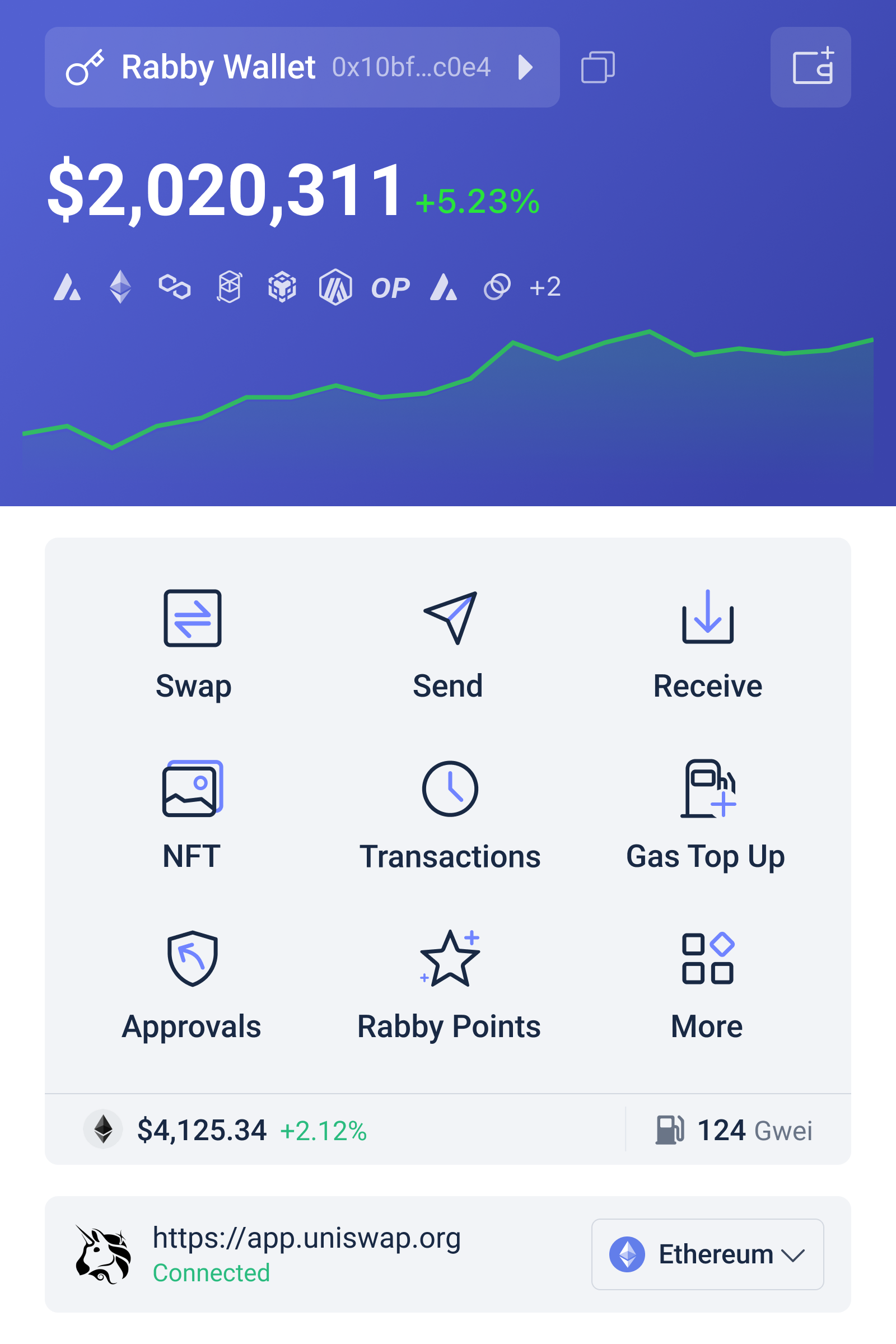
If you want to try a wallet built with this mindset, check out rabby wallet—it brings simulation and multi-chain ergonomics into a coherent experience without being cluttered.
Developer and advanced-user features that matter
Power users want logs. Developers want deterministic simulation and hooks for custom validators. This wallet offers transaction logs, human-readable decoded calls, and a developer mode that helps you replay issues locally. That’s huge for diagnosing failed strategies or for stress-testing complex batched operations.
Think of it like a debug console for your money. When you can see intermediate state changes, gas consumption per step, and decoded input parameters, you stop guessing and start optimizing. And if you’re building on top of DeFi rails, having that fidelity separates successful integrations from catastrophic ones.
On a practical note: exportable logs, clear error categories, and easy hardware-wallet pairing mean you get institutional-grade controls without corporate complexity. It’s a balance most teams haven’t hit yet, though some wallets are getting closer.
FAQ
Does transaction simulation guarantee success?
No. Simulations reduce uncertainty but can’t predict every external factor—pending transactions elsewhere, off-chain oracle updates, or network reorgs can still change outcomes. Simulations are probabilistic aids, not magic.
Will simulation slow down my workflow?
Not noticeably. Good implementations run quick dry-runs and cache results intelligently. If you’re batching many operations, expect slightly longer prep times but far fewer failed transactions.
Is multi-chain support safe?
Multi-chain is safe when the wallet enforces consistent security models across networks, supports hardware devices, and keeps permission management front-and-center. The risk often comes from user behavior, not from the wallet alone.
Look, I have opinions. Some are strong. Some are flexible. This part bugs me: wallets that add flash but not foresight. A wallet that simulates, shows the trade-offs, and helps you choose wisely? Now that’s progress. Really.
So next time you move funds, don’t just skim. Pause. Simulate. Decide. Your future self will thank you—probably with fewer gas receipts and fewer “what went wrong?” messages at 3AM.
Leave a Reply